Mod Garage![Dirk Wacker]()
Mod Garage: Prepping Your Electric’s Neck

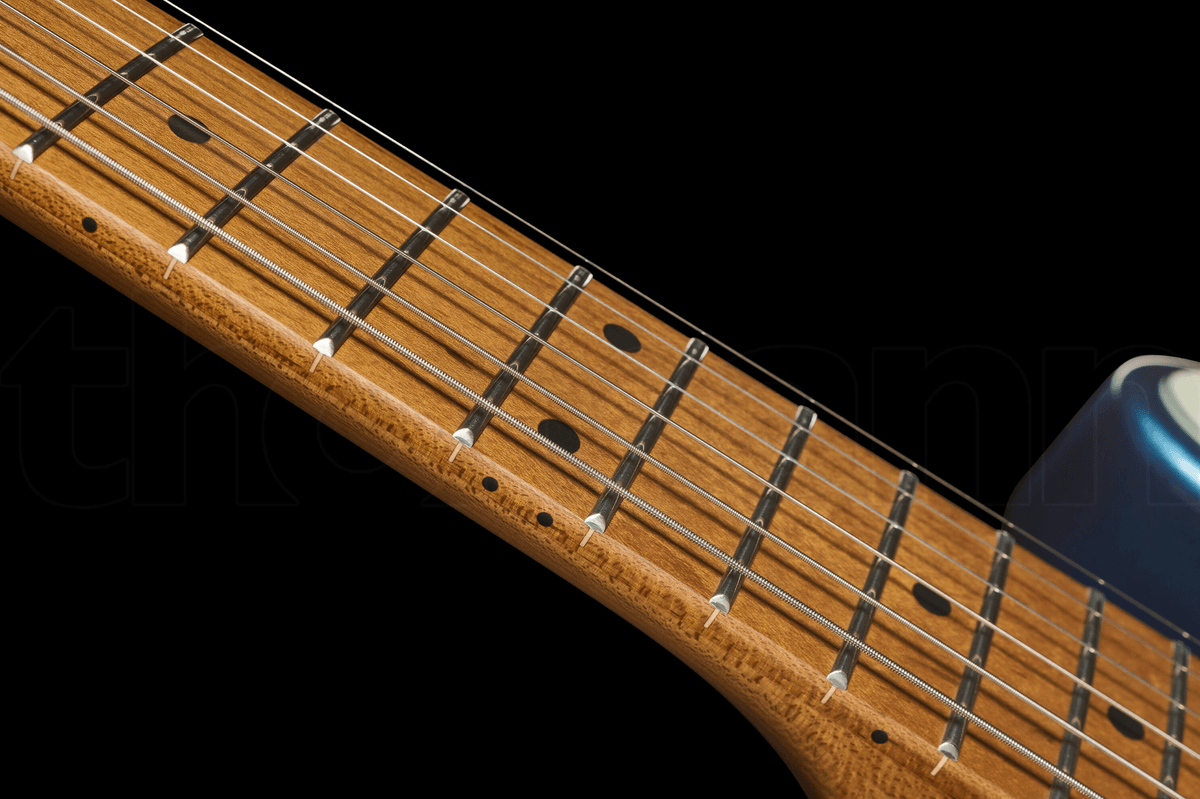
Hello, and welcome back to Mod Garage. Last month, we finished up work on the body of our Harley Benton guitar, so this time, we’ll proceed with the neck and see what can be done to enhance it.


Next up in our Tonewood Teardown budget-guitar mod series, we take a look at the quirks and quibbles of neck construction.
Hello, and welcome back to Mod Garage. Last month, we finished up work on the body of our Harley Benton guitar, so this time, we’ll proceed with the neck and see what can be done to enhance it.
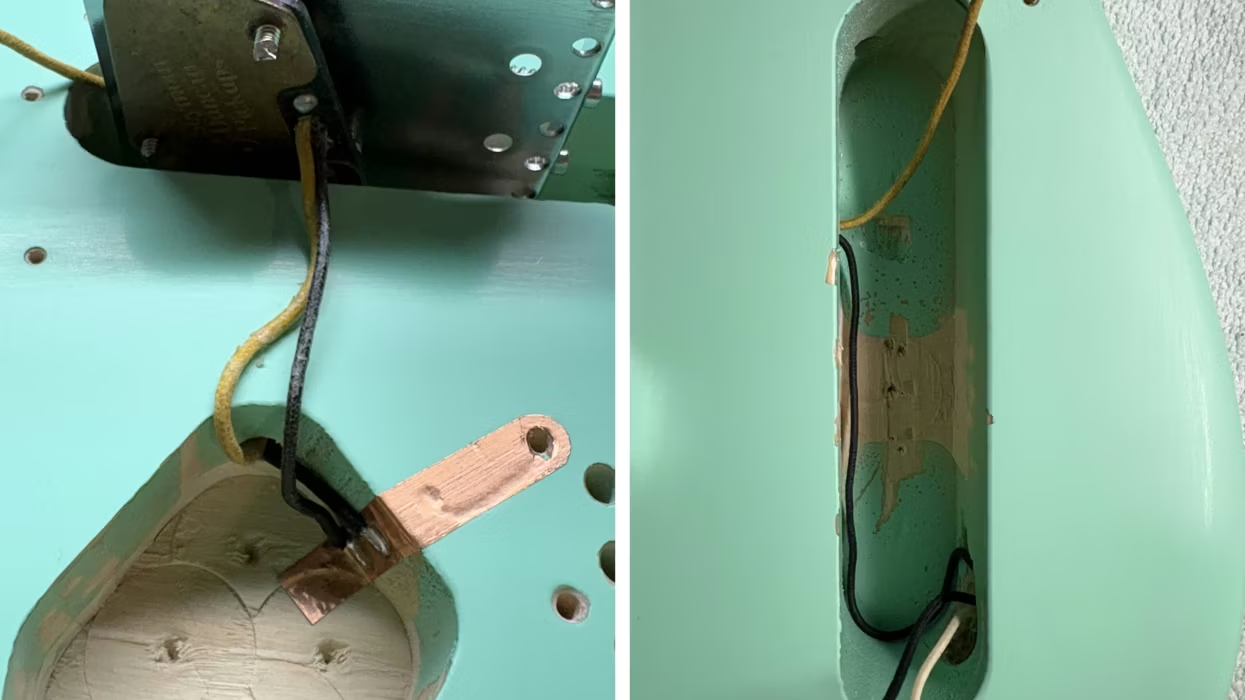
In the eleventh installment of our ongoing project, we wire up our Esquire-style electric with some simple tricks to boost its versatility.
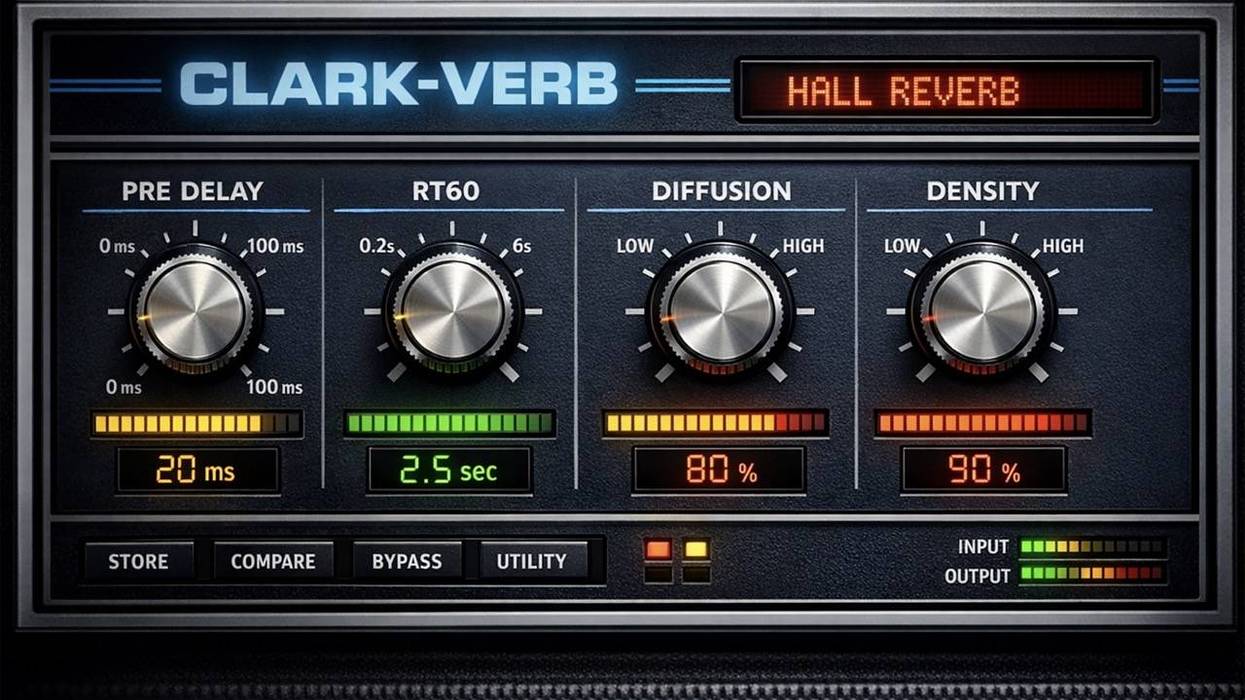
Three parameters, infinite possibilities. Here’s how to make reverb work harder for you.
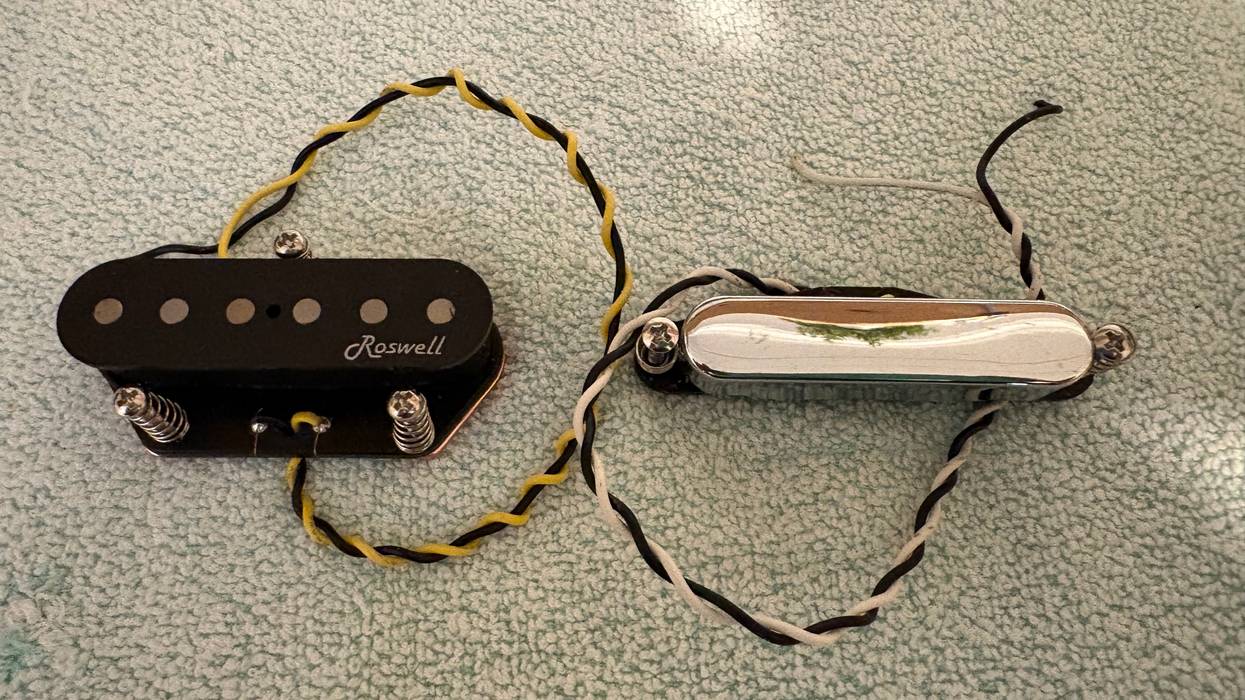
Our columnist’s upgraded pickup and electronics choices for his Harley Benton guitar

Add a Bigsby, upgrade your electronics, and unlock the Seven Sound Strat mod—no tech required.
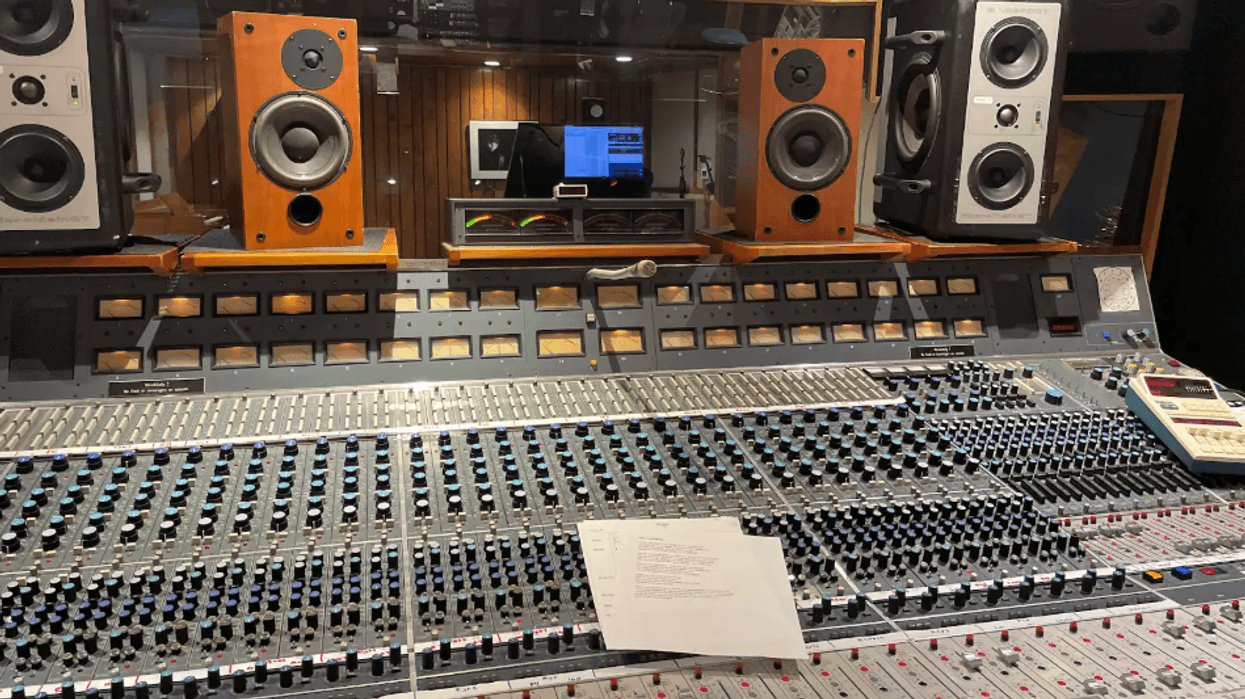
Our columnist in session at Blackbird Studios
The player always matters more than the tool.
![Jared James Nichols [2026]](https://www.premierguitar.com/media-library/image.jpg?id=66892615&width=1245&height=700&quality=70&coordinates=0%2C0%2C0%2C0)


![Rig Rundown: Dethklok [2026]](https://www.premierguitar.com/media-library/image.jpg?id=66769279&width=1245&height=700&quality=70&coordinates=0%2C0%2C0%2C0)